
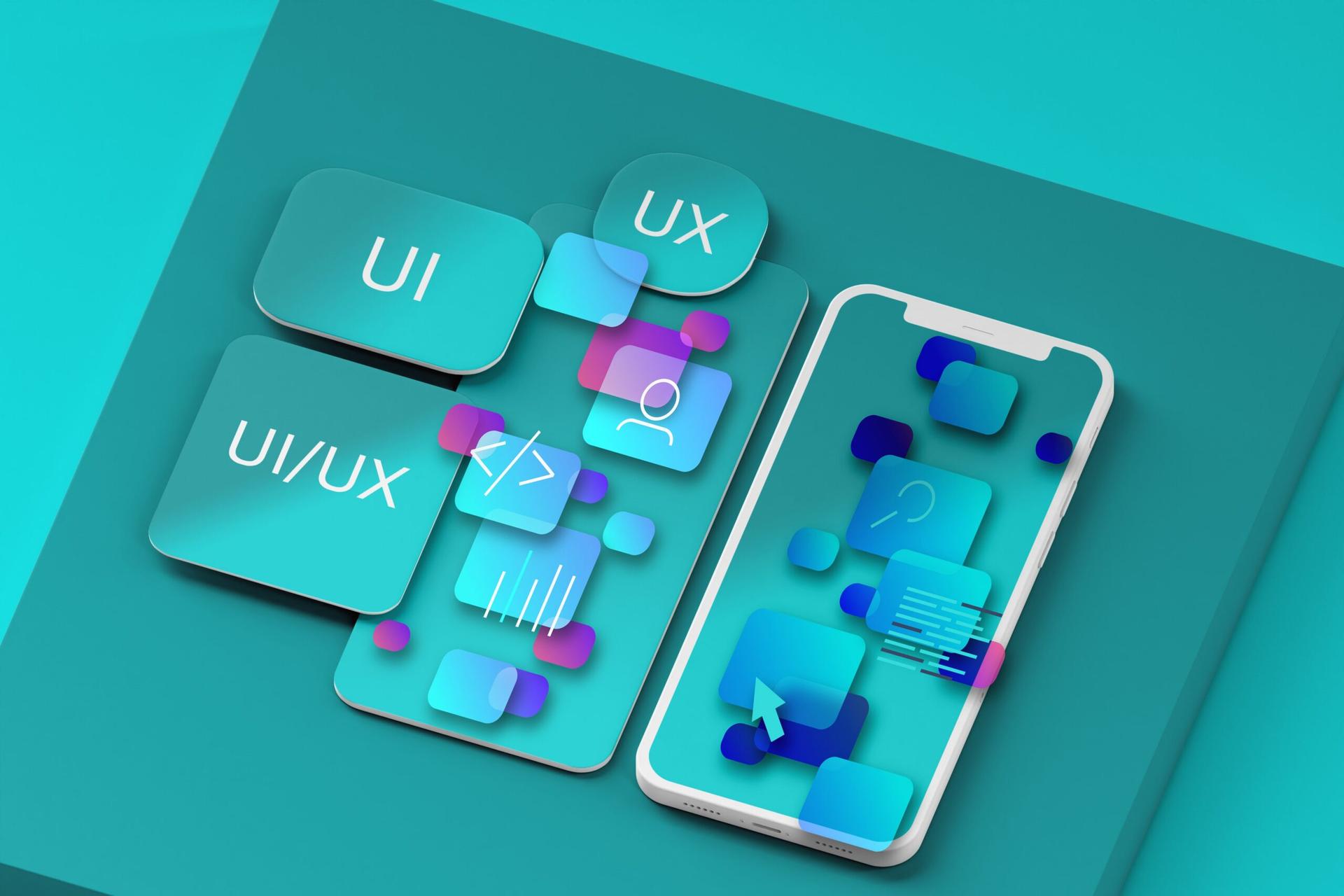
Introduction: Why UI/UX Is the Backbone of Successful Mobile Apps
The role of UI/UX in mobile apps is one of the most important factors that decide whether users stay, engage, or uninstall an application. In today’s competitive digital market, users expect smooth navigation, clean design, and effortless interaction. Therefore, understanding the role of UI/UX in mobile apps is essential for building applications that users truly love and trust.
While features attract attention, experience builds loyalty. This is exactly why leading mobile app development companies like Technobot System Pvt. Ltd. focus deeply on user-centric UI/UX strategies when designing mobile applications.
What Is UI and UX in Mobile App Development?
Before going deeper, let’s understand the difference.
🎨 What is UI (User Interface)?
UI refers to the visual elements of the app — colors, buttons, typography, icons, spacing, and overall layout. In simple words, UI is how your app looks.
🧠 What is UX (User Experience)?
UX focuses on the journey and feeling of the user — how easy, smooth, and logical it is to use the app. UX is how your app feels.
“Design is not just what it looks like and feels like. Design is how it works.” – Steve Jobs
Together, UI and UX decide whether users will love your app or leave it forever.
Why UI/UX Is Critical for Mobile App Success
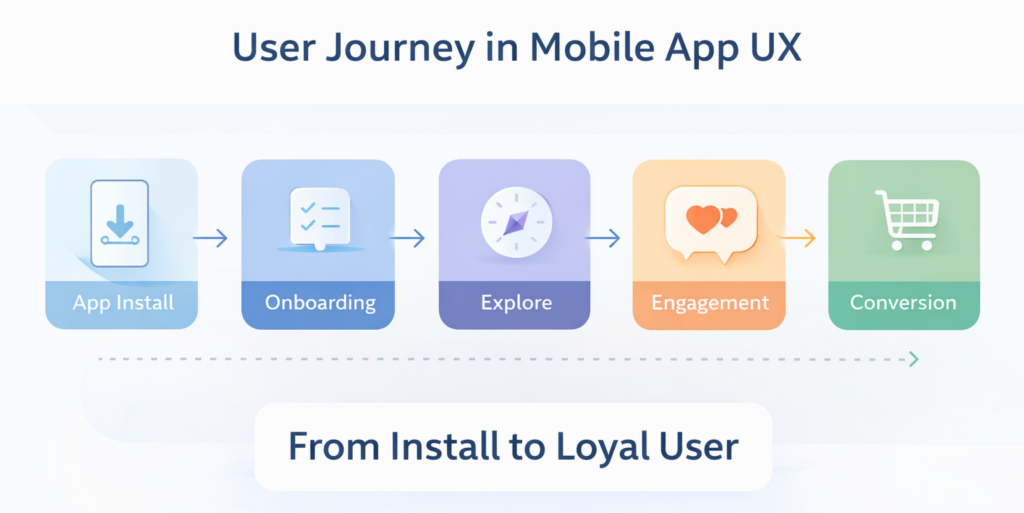
Let’s break this down step by step.
First Impressions Matter (Within 3 Seconds)
Users judge an app in less than 3 seconds. If your UI is cluttered or outdated, trust is lost immediately. Clean design builds instant credibility.
Better UX = Higher User Retention
Apps with intuitive navigation, simple flows, and fast interactions keep users engaged longer. As a result, retention rates improve significantly.
Strong UI/UX Boosts Conversions
Whether it is signing up, purchasing, or booking — smooth UI/UX reduces friction and increases action. This directly impacts business growth.
Reduced Development Cost in the Long Run
Good UX planning reduces rework, customer complaints, and support queries. Therefore, you save time and money.
The Business Impact of Good UI/UX Design
Many businesses still think UI/UX is just about beauty. However, the reality is different.
1. Higher Engagement Rates
When users enjoy the experience, they stay longer, explore more features, and interact more.
2. Increased Revenue
Better UX means easier checkout, smoother onboarding, and higher trust — which leads to more sales.
3. Better App Store Ratings
Users rate experiences, not features. Good UX = good reviews = more organic downloads.
4. Strong Brand Loyalty
When users feel comfortable and understood, they come back. That is the power of emotional UX.
How UI/UX Design Impacts Different App Types
📱 E-commerce Apps
- Easy product browsing
- Clear CTAs (Add to Cart, Buy Now)
- Simple checkout
🏥 Healthcare Apps
- Clean layout
- Large readable fonts
- Stress-free navigation
🏦 Fintech Apps
- High clarity
- Secure feeling design
- Minimal distractions
🎓 Education Apps
- Engaging UI
- Logical content flow
- Easy progress tracking
Each industry requires a different UX approach. That is why customized design is essential.
Key UI/UX Principles for Successful Mobile Apps
1. Simplicity Is Power
Users don’t want to think. Simple layouts, clear actions, and minimal steps win.
2. Consistency Builds Trust
Same colors, same buttons, same patterns — consistency creates familiarity.
3. Thumb-Friendly Design
Most users use one hand. Therefore, important actions must be reachable.
4. Speed & Responsiveness
Delays kill experience. Smooth transitions improve perception.
5. Accessibility Matters
Design for everyone — readable text, good contrast, and clear icons.
The Role of UI/UX in User Psychology (Rare but Powerful Insight)
This is where magic happens.
The Peak-End Rule
Users remember the best moment and the last moment of their journey. Therefore, onboarding and exit flows must be delightful.
Hick’s Law
More choices = more confusion. Reduce options to increase decisions.
Fitts’s Law
Bigger buttons = faster action. That is why CTAs must be large and clear.
These psychological principles silently guide user behavior.
Why Companies Trust Technobot System for UI/UX Excellence
At Technobot System Pvt. Ltd., UI/UX is not an afterthought — it is part of the core development process.
They follow:
- User research-driven design
- Wireframing before development
- Real user testing
- Continuous UI/UX optimization
This approach ensures apps are not only functional but also lovable.
UI/UX Design Process for Mobile Apps (Step-by-Step)
Step 1: User Research
Understanding target users, their needs, pain points, and behavior.
Step 2: Wireframing
Creating basic structure of screens and flows.
Step 3: UI Design
Applying colors, typography, icons, and branding.
Step 4: Prototyping
Creating clickable mockups to test experience.
Step 5: Testing & Iteration
Improving based on feedback.
Common UI/UX Mistakes to Avoid
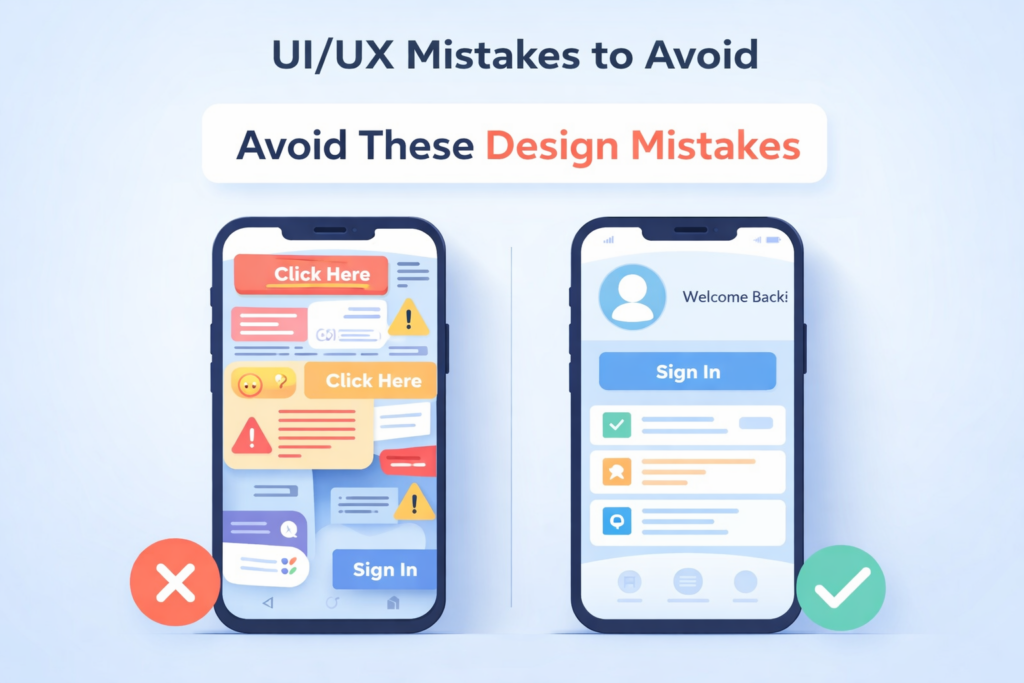
❌ Overloading screens with content
❌ Using too many colors
❌ Complex navigation
❌ Ignoring user feedback
❌ Poor font readability
Avoiding these mistakes can drastically improve success.
Future of UI/UX in Mobile Apps (2026 & Beyond)
AI-Powered Personalization
Apps will adapt UI based on user behavior.
Voice & Gesture UI
Less typing, more interaction.
Micro-Interactions
Small animations for big emotional impact.
Dark Mode & Adaptive Themes
Better comfort, better experience.
Final Thoughts: UI/UX Is Not Design — It Is Strategy
In conclusion, the role of UI/UX in building successful mobile apps is massive. It influences how users feel, how long they stay, and whether they convert.
If you want an app that users love, remember:
💬 “People ignore design that ignores people.”
And if you want professional UI/UX-driven mobile app development, Technobot System Pvt. Ltd. is a trusted partner in delivering user-focused digital solutions.
Tags
Share this article
About the Author
Experienced IT professional specializing in enterprise solutions and modern technology implementations.
Related Articles


Stay Updated
Get the latest IT insights delivered to your inbox.